Have you ever wondered why Roman coins are found in fields, gardens, and even, so the story goes, under a hedgehog’s nest? The roman coin facts left a trail of history made of bronze, silver, and gold coins all over Europe.
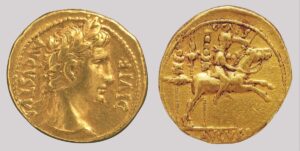
For example, the denarius. It wasn’t just spare change; it was the main thing that made Roman life work for about 500 years. You could almost hear the old market merchants breathe a sigh of pleasure every time someone paid them a sparkling denarius for a bunch of figs instead of trading chickens. Small, yet able to buy a lot. A soldier’s daily pay came in this manner, which was a good deal at the time.
If you flip a Roman coin, you’ll see some strange things. Emperors with blank faces. Goddesses who look furious or calm, or both. Animals also show up in surprising ways. Horses, eagles, wolves, and even elephants. If old coins could talk, they would tell some crazy stories from all throughout the empire. Each design has a message: propaganda, pride, or divine right. Roman leaders liked to brag.
It’s interesting to note that the substance of a Roman coin may tell you a lot about how much it was worth. If you had a lot of gold aureus, you could shop in ancient Rome. You could buy meals and drinks for silver denarii. Copper sestertii and asses took care of tiny business. So if you found a gold coin, you hit the jackpot in ancient times.
People who collect coins are especially interested in what’s called “barbarous radiates.” These were fake Roman coins made by clever people who lived outside of Rome. Very badly shaped, sometimes very funny, yet nonetheless accepted in commerce. Can you picture using a coin that appears like it was drawn on a napkin to buy groceries today? The economy of Rome was like that.
Did you realize that Roman coins have been to more places than some current tourists? Roman coins have been found all across the world, from Scotland to India, thanks to soldiers, traders, and people who horde things. Finding one in your yard would be a better tale than most socks you find.
You might find coins that have the letters SPQR on them. Senatus Populusque Romanus means “The Senate and the People of Rome.” The best of ancient marketing. Before social media was popular, emperors utilized coins to spread their message and picture.
Coins sometimes lived longer than the people who made them. Coins featuring the picture of an emperor kept going around long after he died. Think about using a coin with the face of a man whose statue has already been knocked down to buy food. The small ironies of history are right there in your pocket.
Roman coins have a wild fascination. Each one has a tale behind it, from coins manufactured in temporary mints during civil wars to special editions honoring military successes. The next time you see one at a museum or hanging from a necklace, think about the hands that previously threw it across a counter, put it in a leather handbag, or lost it in a busy forum. Roman coins aren’t simply interesting facts; they’re small pieces of historical drama, wit, ambition, and sometimes even funny accidents.